Research and Technology
Kahve Gurtunca 3.0, a Solar Position Module
Zenodo · DOI 10.5281/zenodo.22538588
A component declares its limits. A validity window, an accuracy figure, a truncation bound: these are written in documentation and taken on trust by everyone downstream. But a declared limit and a measured limit are different objects, and only the second one can be planned against.
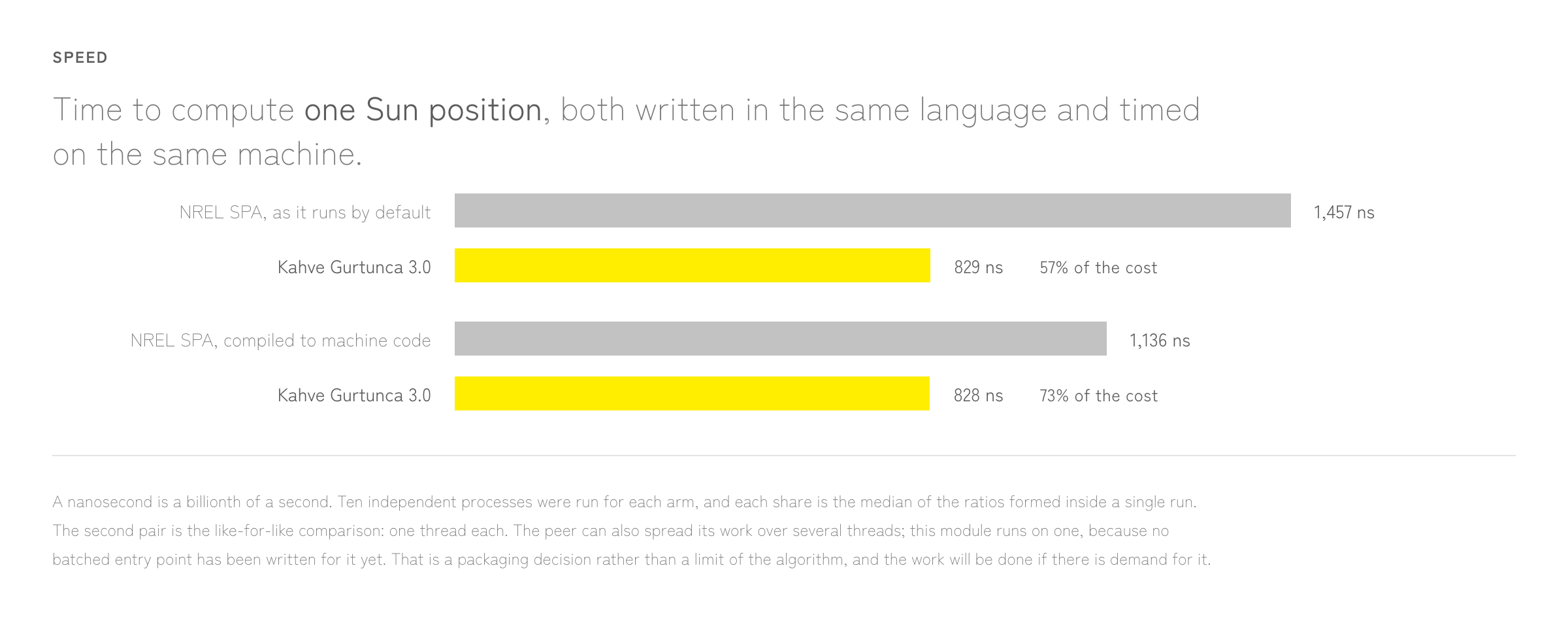
The note characterises one solar position module by measuring what it declares. Three measurement rounds contributed, two of them blind: they received the protocol and none of the results. The outcome is not a number but a pattern. The accuracy quantities reproduced across rounds; one speed quantity did not reproduce at all, differing by a third between two rounds, with neither round wrong. That difference is invisible to a single round, and it is the reason for running more than one.
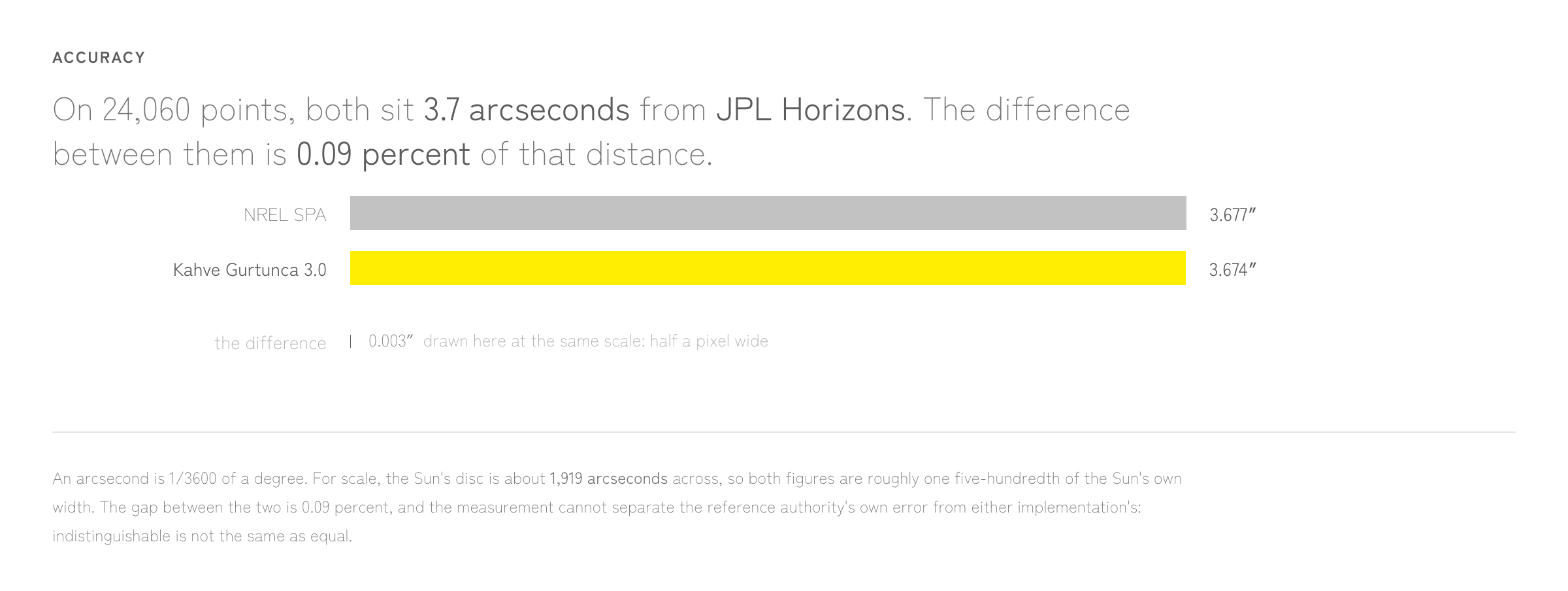
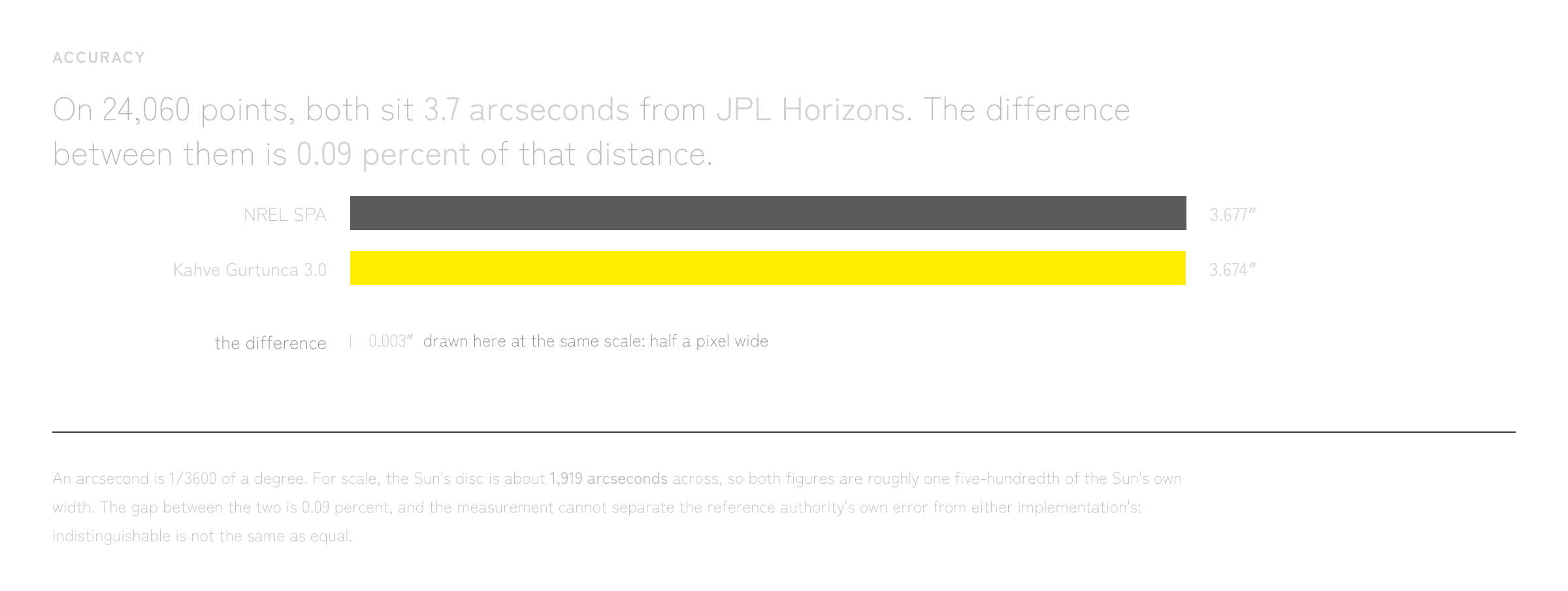
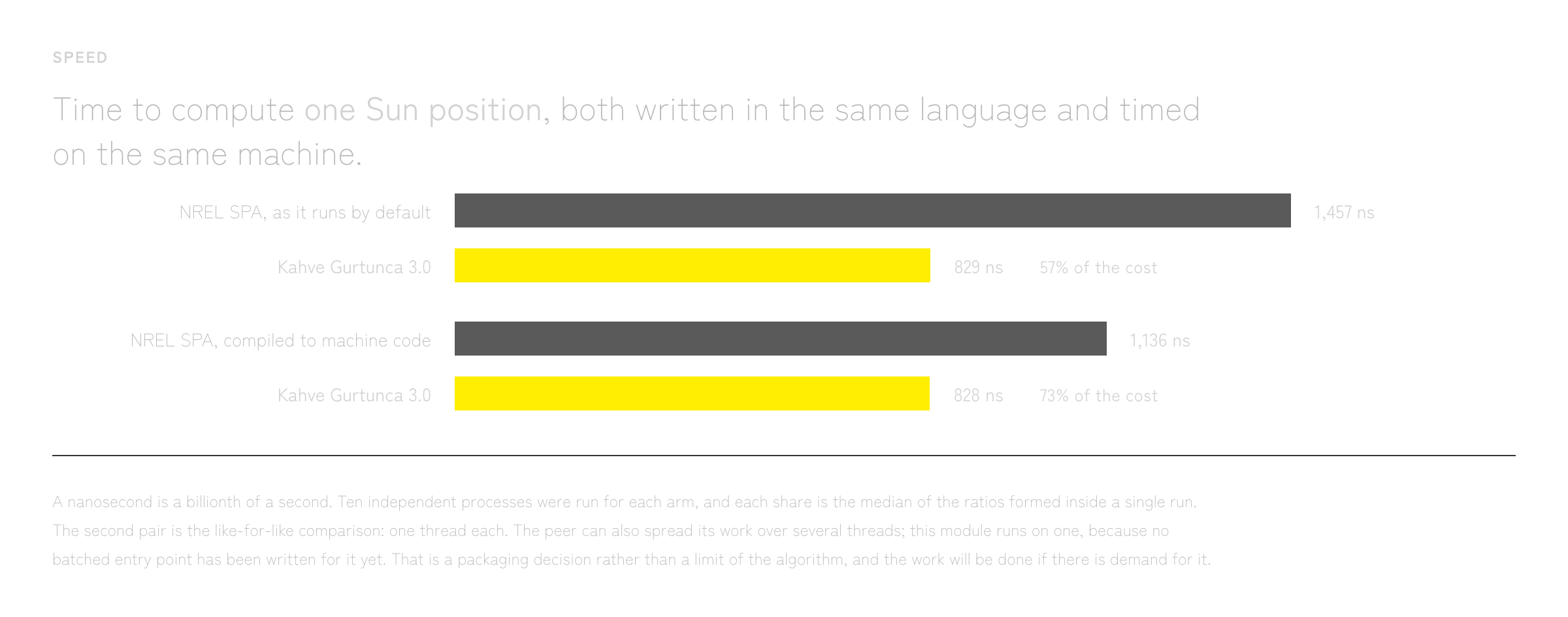
Two of the measured results are shown below, against the reference-grade implementation of this field, the US Department of Energy's NREL Solar Position Algorithm.
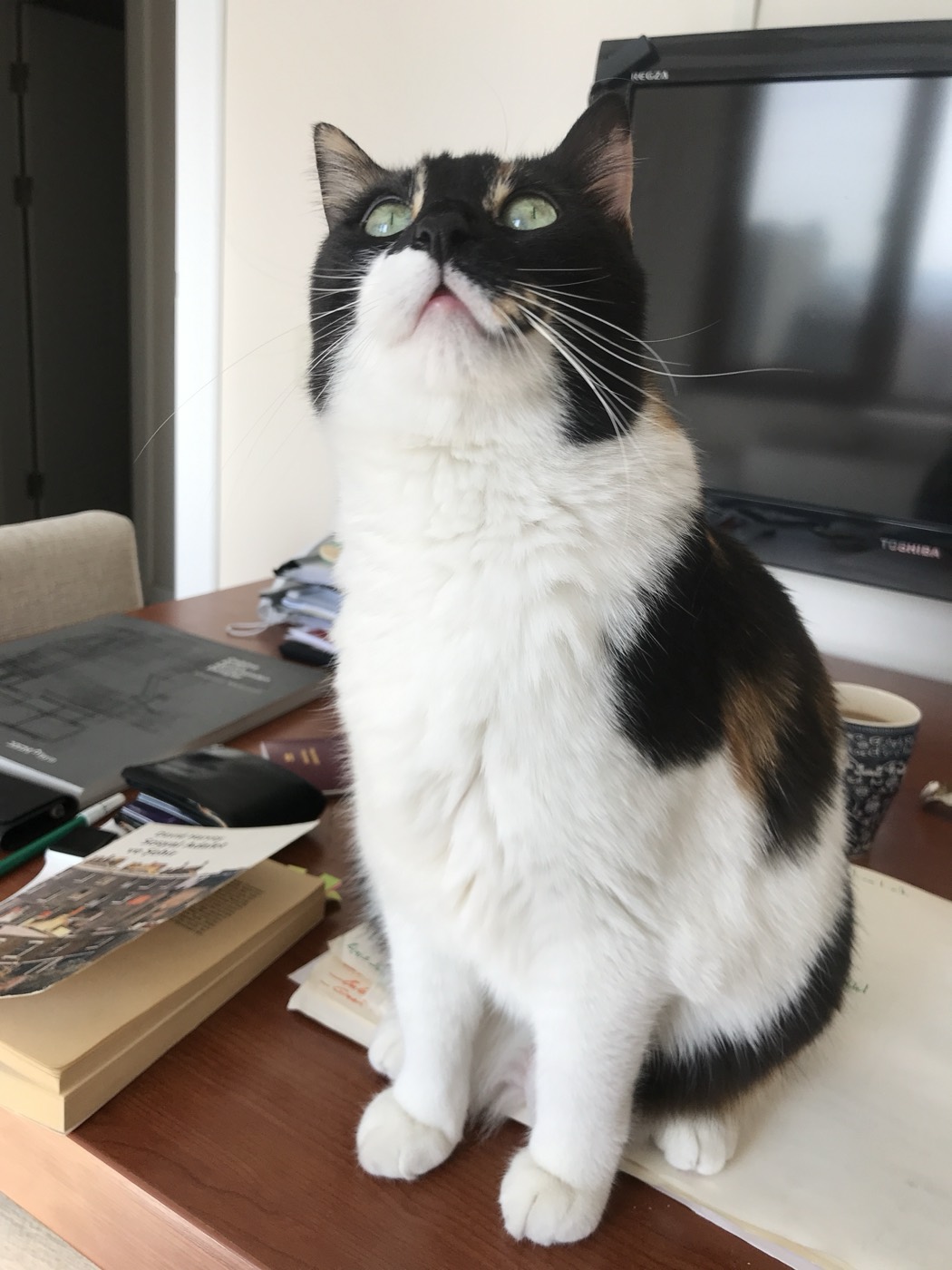
The module carries the name of the author's cat, Kahve.
Measurement data not published in this version; the note's section 10 says what that costs · CC BY-NC 4.0
The module is not open source. Companies, universities and institutes interested in licensing it, adapting it to their own systems, or running a trial can reach me through the contact page.
Losses in the Chain: six mechanisms by which
a component's accuracy fails to reach the output
Zenodo · DOI 10.5281/zenodo.22074031
An accuracy budget describes a component. It says nothing about whether that component's number ever reaches the person reading the screen. Between the two lies a chain – an input the wrapper supplies, a threshold applied downstream, a sampling interval, the instant at which an hour-averaged reading is evaluated, an input left at its default, a constant pinned at some earlier date – and a single link can lose more accuracy than the choice of algorithm gains.
The note measures six such losses in two pieces of software written by different people for different purposes. Five were found in the author's own code, before release; two in software written by others, and one mechanism occurs in both. None of them was found by looking for it, and that is the argument: this class of defect is invisible to the way the field currently checks its work, because a component's accuracy is where everyone looks first.
Measurement data published alongside · CC BY-NC 4.0
Place Relativity: Cyberspace and Physical Space Relations
in Terms of Public and Private Space Consideration Within Virtual Meeting
Politecnico di Torino · Supervisor: Prof. Daniela Ciaffi
The thesis proposes that the space we are in is a meshwork of relationships, and asks what happens to public and private space when two distant rooms meet inside a virtual meeting. It answers with fieldwork: a two-wave survey, statistical analysis, interviews and a workshop – and with five constructs offered to the literature, from semi-cyberspace to the geography behind the camera.
Abstract in the Politecnico di Torino thesis archive (full text not published) · Google Scholar
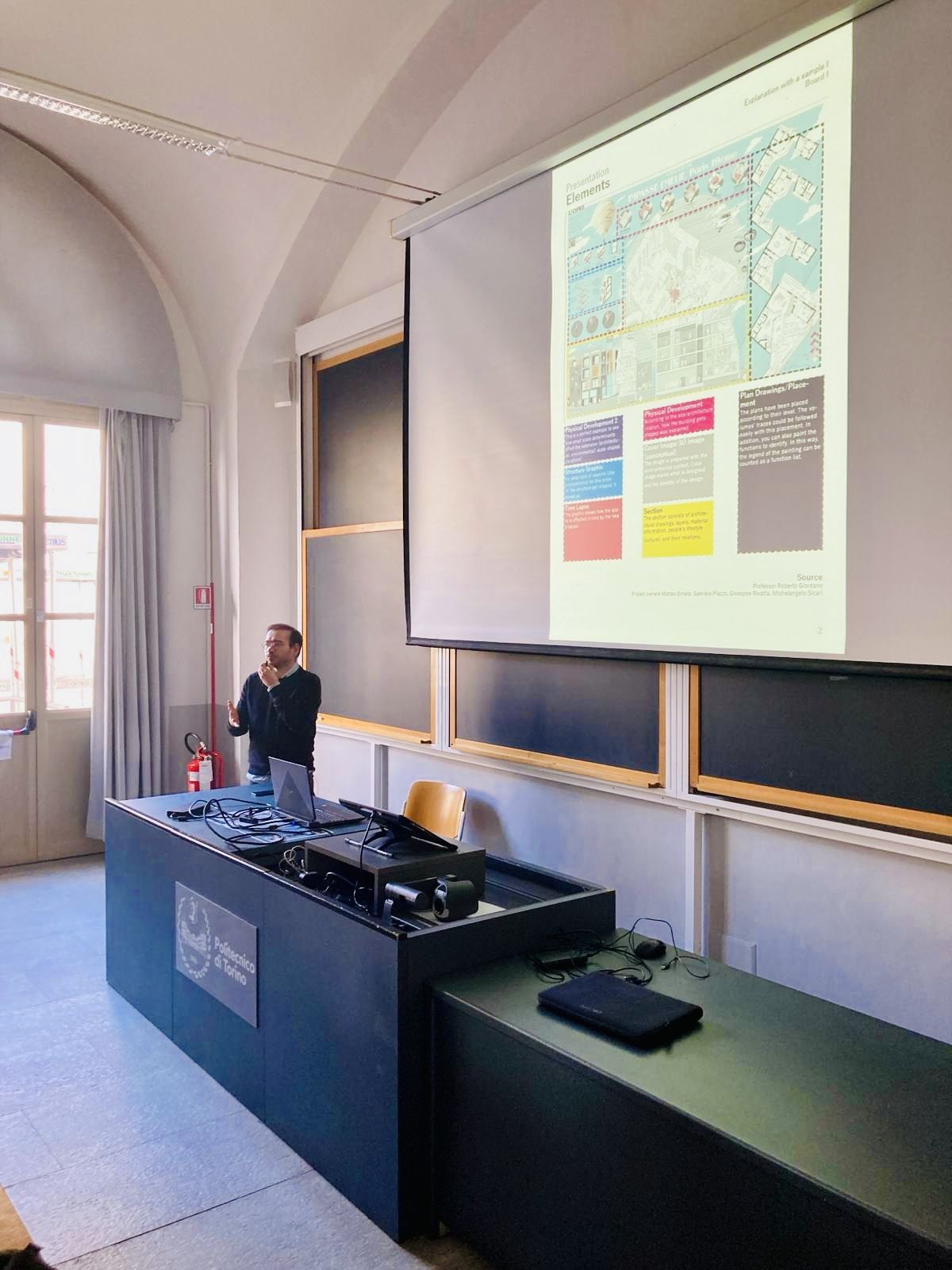
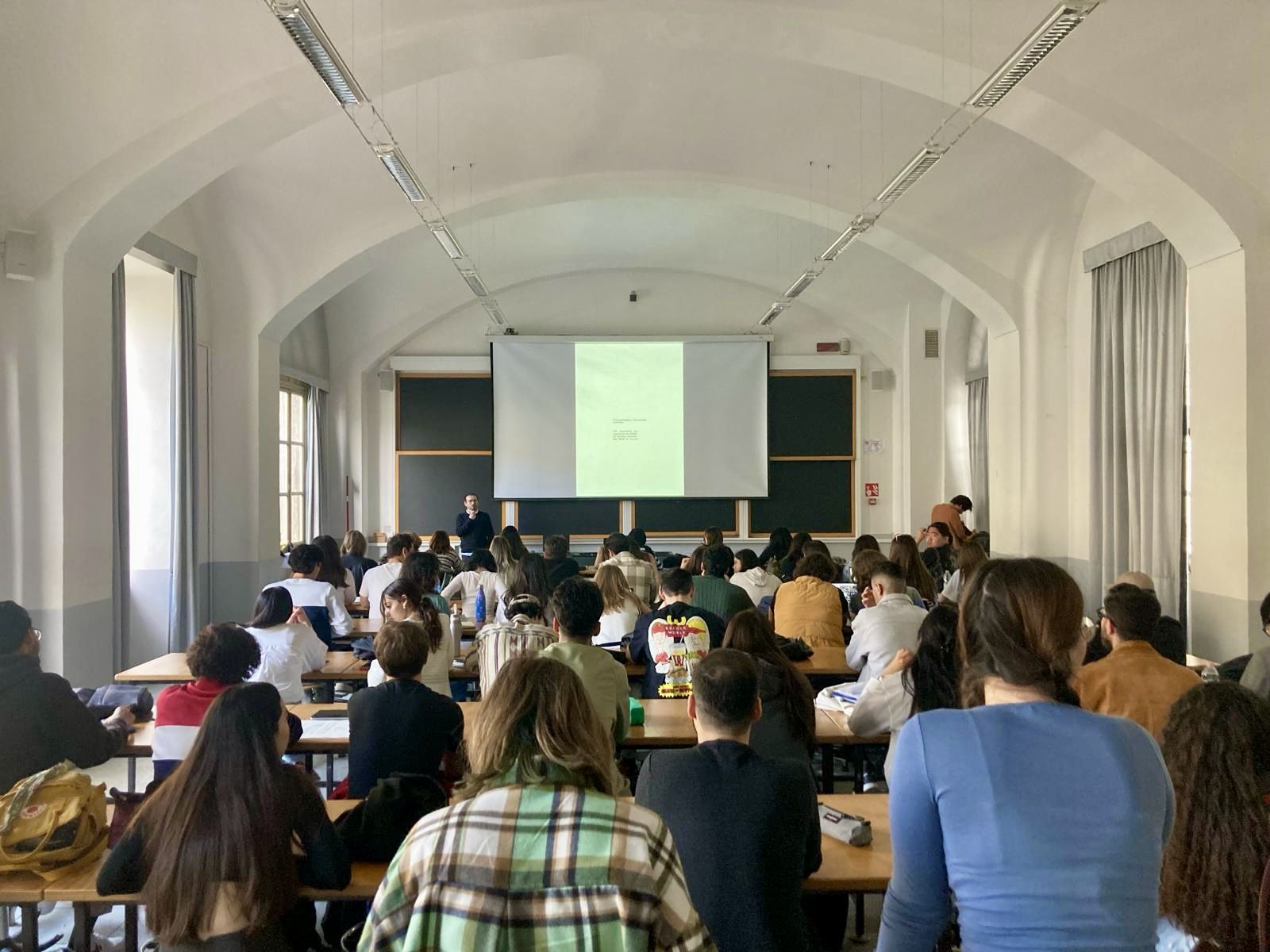
An invited lecture on architectural approach and presentation, delivered to a full hall at Politecnico di Torino on 19 March 2024, during the teaching years there.
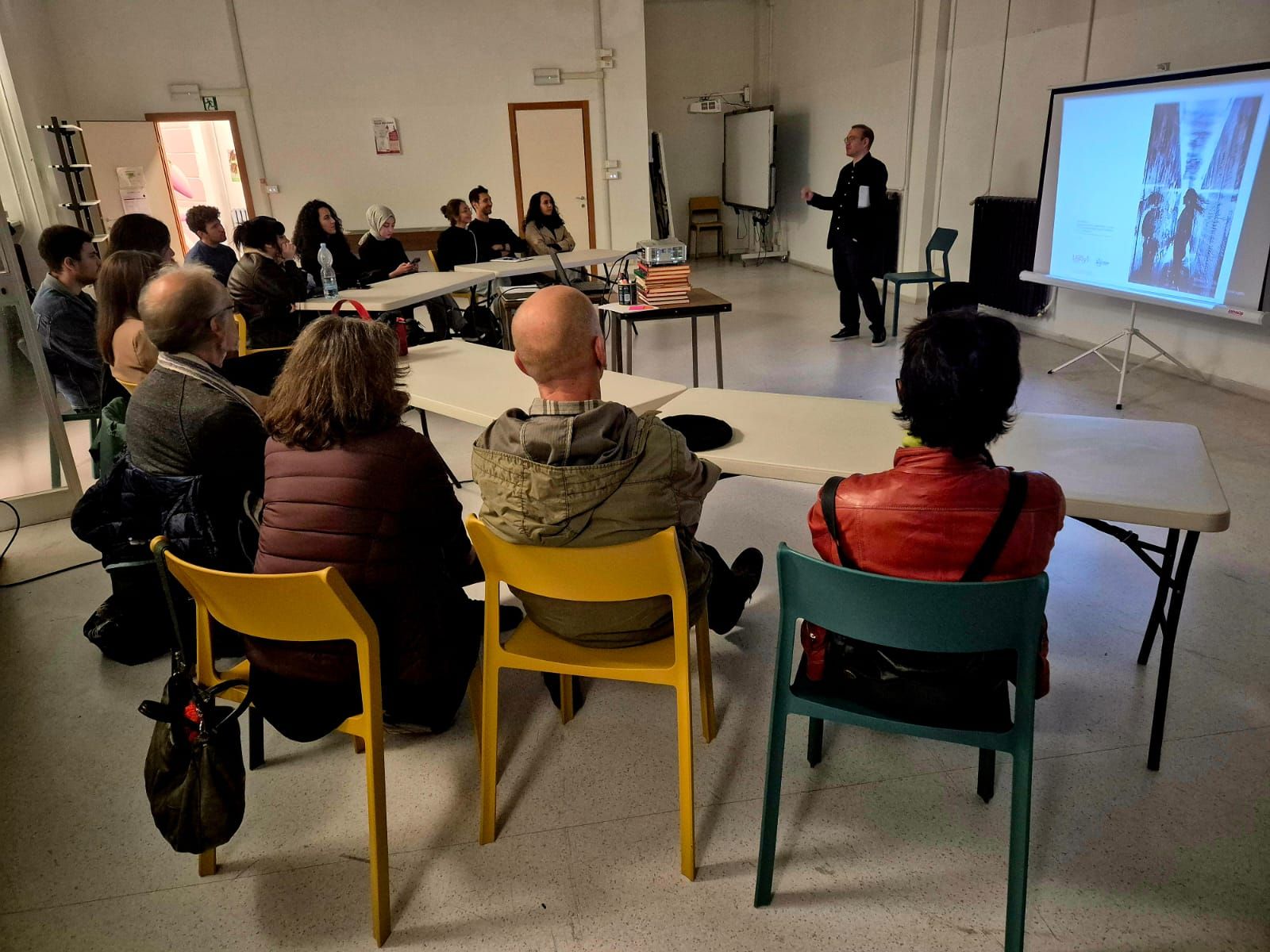
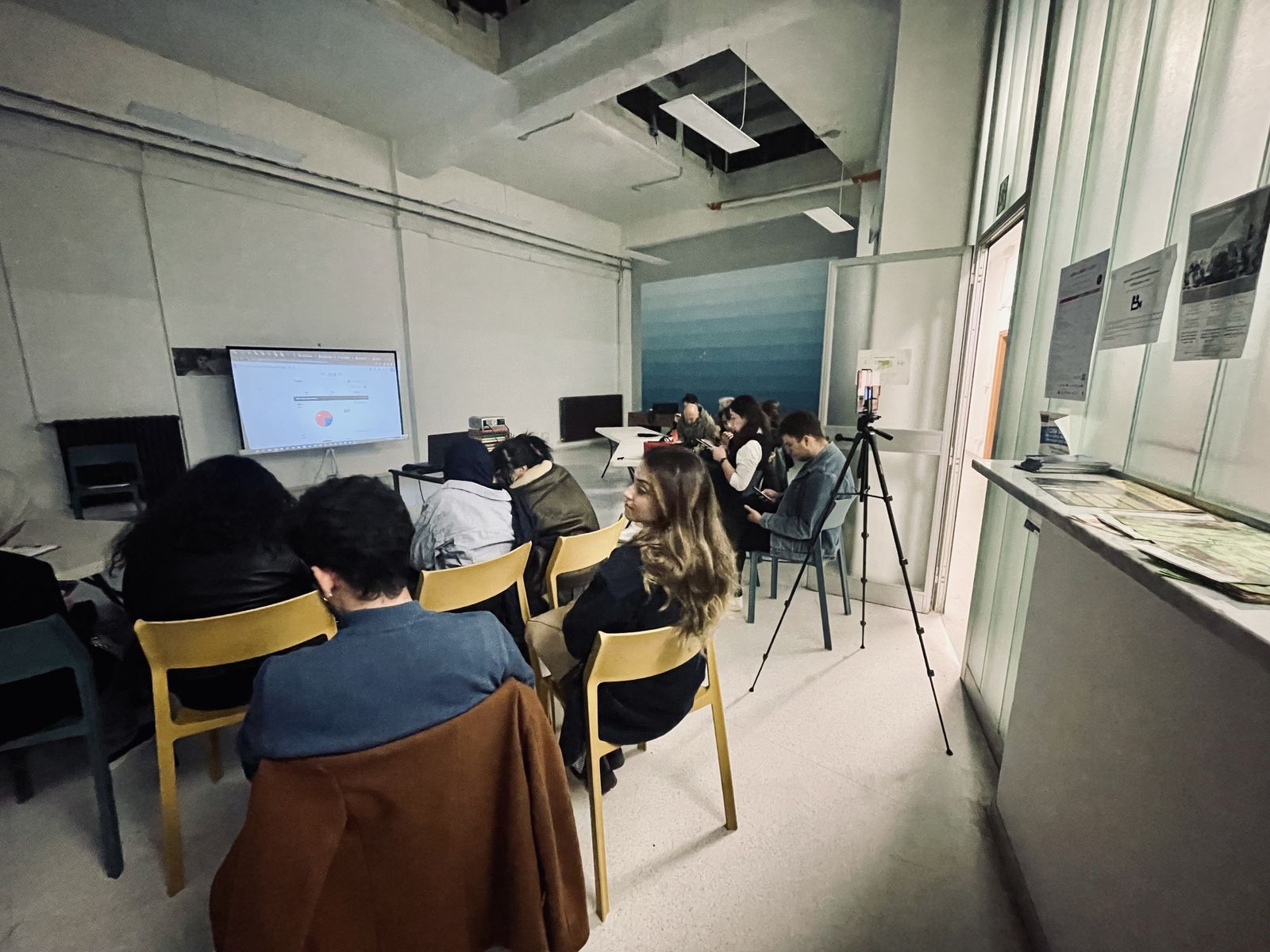
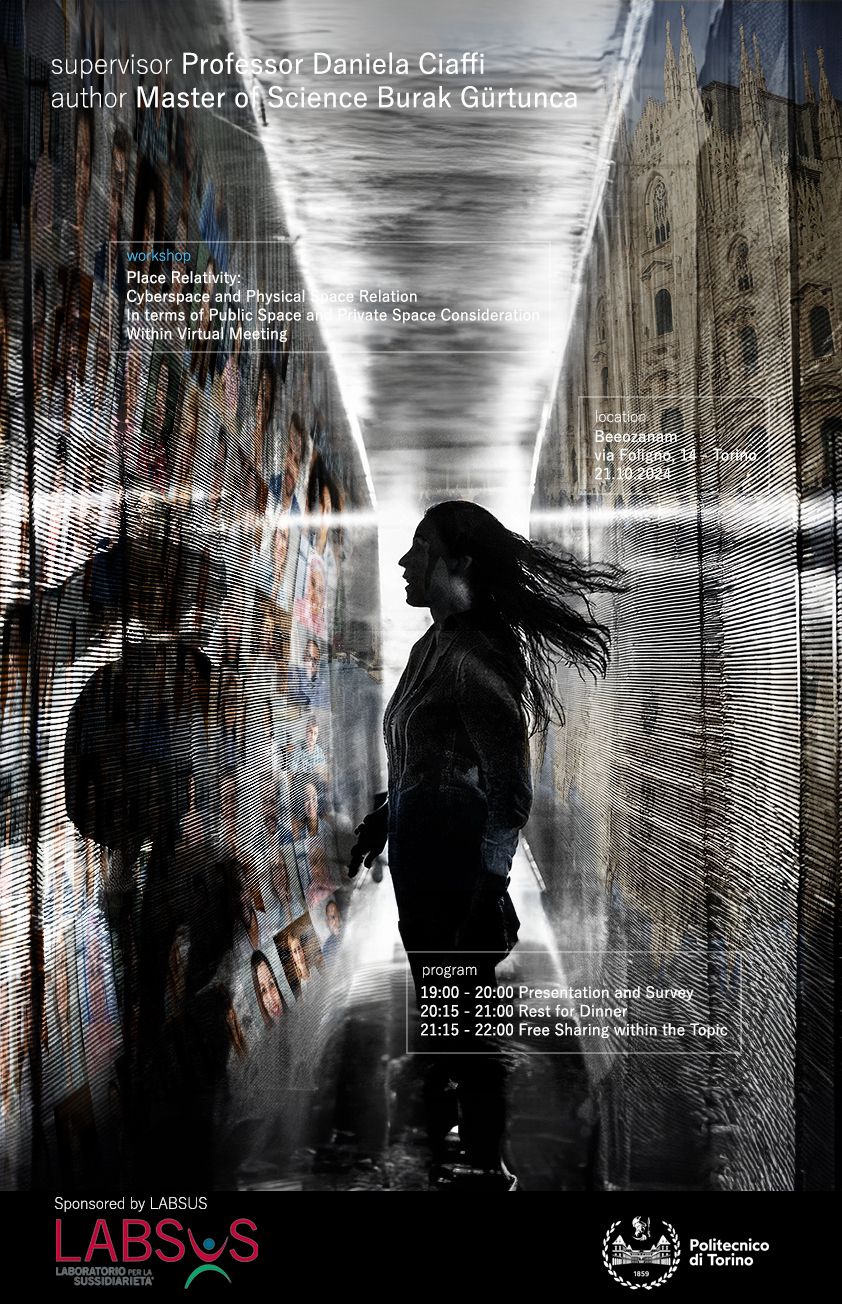
A Room Full of Rooms – workshop at Beeozanam, Turin
Nineteen people, three cultural backgrounds, one question: where are we, exactly, when we meet on screen? For an evening at the Beeozanam Culture Centre the theory left the page – participants argued it, drew it, staged their own camera frames, and then answered the study's survey, so that its findings could be tested against a second, independent sample.
Organised as part of the Place Relativity research. Sponsored by LABSUS – Laboratorio per la Sussidiarietà, the Italian laboratory behind municipal collaboration pacts for urban commons.
“Duyarak Tecrübe Edilen Kent” – The City Experienced Through the Senses
Ege Mimarlık, July 2020
On how the pandemic reshaped the sensory experience of urban space – written from Harvey's social space and Lynch's image of the city, in the first months of the quiet streets.